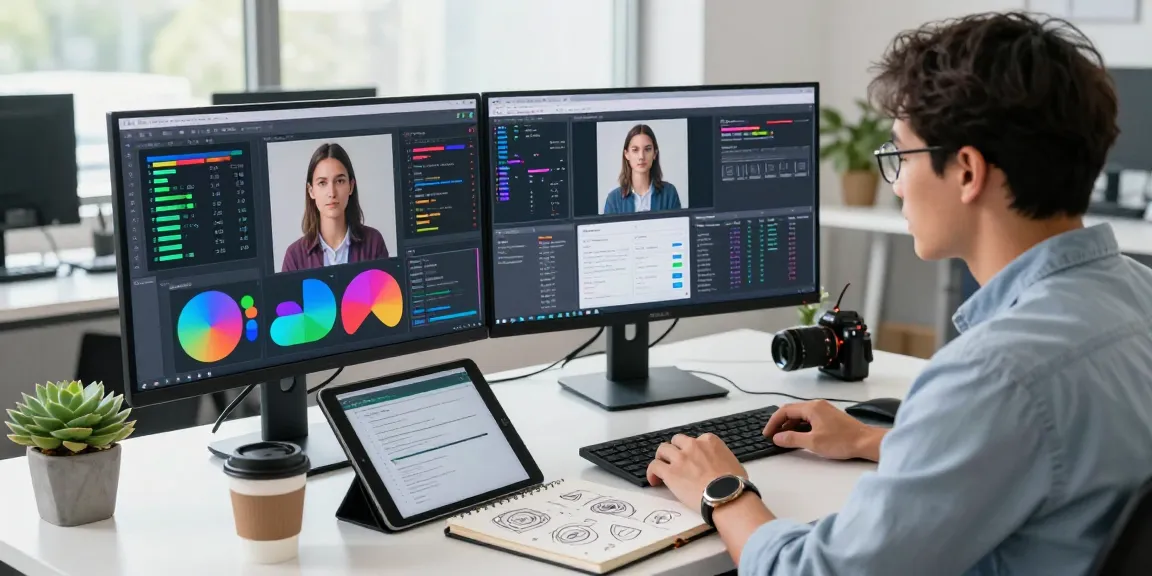
Understanding the AI Image Detector Technology
In an era where visual content is produced at an unprecedented rate, distinguishing between human-created and AI-generated images has become more crucial than ever. The ai image detector tackles this challenge head-on, offering users the ability to analyze images for AI characteristics swiftly and accurately. Understanding how this technology works can empower individuals and organizations alike to navigate the complex landscape of digital visual media.
What is an AI Image Detector?
An AI image detector is a specialized tool designed to identify images that have been generated or manipulated using artificial intelligence algorithms. Unlike traditional image processing, which focuses mainly on pixel analysis or basic editing detection, AI image detectors leverage advanced machine learning techniques to assess an image’s origin. This technology is utilized across various fields such as journalism, advertising, legal evidentiary processes, and social media platforms where authenticity is paramount.
How AI Image Detection Works
The underlying mechanism of an AI image detector typically revolves around algorithms that analyze various indicators of AI generation. When an image is uploaded, the detector scans for specific patterns, such as unnatural pixel distribution or artifacts that are often left behind by generative models like GANs (Generative Adversarial Networks). The tool assesses metadata, looking for telltale signs of manipulation or generation, and then provides a probability score indicating whether the image is likely AI-generated.
Key Technologies Behind AI Accuracy
Several technologies contribute to the accuracy of AI image detection. These include deep learning frameworks that enable the models to learn from vast datasets of both AI-generated and real images. Techniques like convolutional neural networks (CNNs) are particularly effective in feature extraction, allowing the AI to discern subtle differences in image compositions. Furthermore, as AI continues to evolve, the detectors are updated to adapt to new generation techniques, ensuring ongoing accuracy and reliability.
Supported Formats and Usage Guidelines
Common Image Formats for AI Detection
AI image detectors are designed to support a wide array of image formats to cater to various user needs. Common formats include:
- JPG/JPEG
- PNG
- GIF
- WebP
These formats are prevalent across social media, websites, and personal files, making the AI image detector a versatile tool for users looking to validate image authenticity.
Best Practices for Uploading Images
To maximize the effectiveness of an AI image detector, users should adhere to certain best practices when uploading images:
- Ensure images are of high quality (no significant compression artifacts).
- Use original files instead of screenshots, if possible, to preserve metadata.
- Try to upload images within the supported size limits (typically under 20MB).
Following these guidelines helps ensure more accurate detection results, allowing users to make informed decisions based on the analysis.
Maximizing Detection Accuracy
Detection accuracy can be further enhanced by uploading multiple images for comparison when evaluating a particular subject. This approach helps the AI detector establish a reliable baseline and improve its evaluative capacity. Additionally, users should remain aware of the latest updates and advancements in AI detection technology, as continuous improvements can influence detection efficacy.
Cost and Accessibility of AI Image Detectors
Is the AI Image Detector Free to Use?
Many AI image detectors offer free access, making this technology widely available to the public. This accessibility is essential for promoting the responsible use of images online. Users can often upload images for analysis without any registration or fees, allowing immediate feedback on image authenticity.
Subscription vs. Free Services
While free services provide essential detection capabilities, subscription models may offer additional features such as:
- Enhanced speed and processing capabilities.
- Access to advanced analytical tools or additional image formats.
- API access for integration into other software or platforms.
Choosing between free and subscription services often depends on the user’s specific requirements for image validation and the frequency of use.
Comparative Analysis of Costs
Cost comparisons among various AI image detectors show a range of offerings, from completely free services to subscription-based models starting at modest monthly rates. Users should evaluate their needs—whether for casual use or professional applications—before committing to a paid service.
Accuracy and Reliability of AI Image Detection
Evaluating the Accuracy of Different Tools
Accuracy is a critical consideration when selecting an AI image detector. Users should review tool performance metrics and accuracy rates published by independent testing organizations. Understanding these benchmarks can assist users in selecting the most reliable tools for their needs.
Factors Influencing Detection Results
Several factors can influence the outcome of an AI image detection analysis, including:
- The quality of the input image.
- The specific algorithms used by the detector.
- The nature of the AI generation process.
Users must keep these factors in mind as they interpret results, understanding that even the most advanced tools have limitations.
Real-World Accuracy Cases
Real-world applications of AI image detection have shown a spectrum of accuracy levels. In journalism, for instance, AI detectors have been successfully employed to authenticate images from conflict zones, ensuring the credibility of reports. However, challenges remain, particularly with images produced by advanced generative models that continue to evolve.
Future Developments in AI Image Detection
Emerging Trends and Technologies for 2026
As we look towards 2026, several exciting trends in AI image detection are on the horizon. These include improved AI training methods that utilize more diverse datasets, enabling detectors to recognize a wider variety of generative patterns. Additionally, advancements in real-time detection capabilities are expected to emerge, allowing for instant analysis of images as they are uploaded to online platforms.
Potential Applications in Various Industries
The applications of AI image detection span numerous sectors, including:
- Media and Journalism: Ensuring the authenticity of images used in news stories.
- Legal: Supporting evidentiary standards by verifying the origins of digital media.
- Advertising: Protecting brands from misrepresentation using AI-generated content.
These applications underscore the importance of AI detection technology in maintaining trust and integrity in visual media.
Ethical Considerations in AI Image Detection
As AI image detection technologies advance, ethical considerations around privacy, consent, and the potential for misuse become increasingly significant. It is crucial for developers and users alike to navigate these challenges responsibly, ensuring that AI detection tools are employed to promote transparency rather than infringe on individual rights.
How accurate is the AI image detection?
The accuracy of AI image detection tools can vary based on several factors, including image quality, the specific AI model used for detection, and the type of images being analyzed. Generally, top-performing detectors provide accuracy rates of over 90% under ideal conditions, though results may fluctuate with less optimal inputs.
Do you offer API access?
Many AI image detectors offer API access, allowing developers to integrate detection capabilities into their applications. This feature is especially valuable for businesses that require automated image validation processes, streamlining workflows and enhancing operational efficiency.
Can I do more than 10 checks per hour?
Usage limits can vary among AI image detection tools. While many free services might impose constraints, users seeking to perform more than 10 checks per hour may benefit from subscription options, which often allow for increased usage thresholds. It’s advisable to consult individual service guidelines to determine specific limits.